
When homeowners think about the value of their property, they often focus on the things that add value: a remodeled kitchen, a finished basement, a new roof, or an attractive backyard. However, there are also many factors that can negatively affect a home’s appraised value.
A home appraisal is an independent opinion of a property’s market value based on a variety of factors, including the home’s condition, location, size, features, and recent comparable sales. While some factors affecting value are outside a homeowner’s control, others can be addressed before an appraisal.
If you’re preparing to sell, refinance, or simply want to understand what your home may be worth, here are 10 things that can decrease your home’s appraised value.
Deferred Maintenance
One of the most common issues that can negatively affect a home’s value is deferred maintenance. Small repairs that are postponed for years can eventually become noticeable problems that affect a property’s overall condition.
Examples include peeling paint, damaged flooring, leaking faucets, broken fixtures, damaged siding, deteriorating decks, or gutters that are falling apart. While an individual issue may seem minor, multiple maintenance problems can create the impression that a home has not been adequately cared for.
An appraiser considers the overall condition of the property when developing an opinion of value. Taking care of routine maintenance before an appraisal can help present the home in its best possible condition.
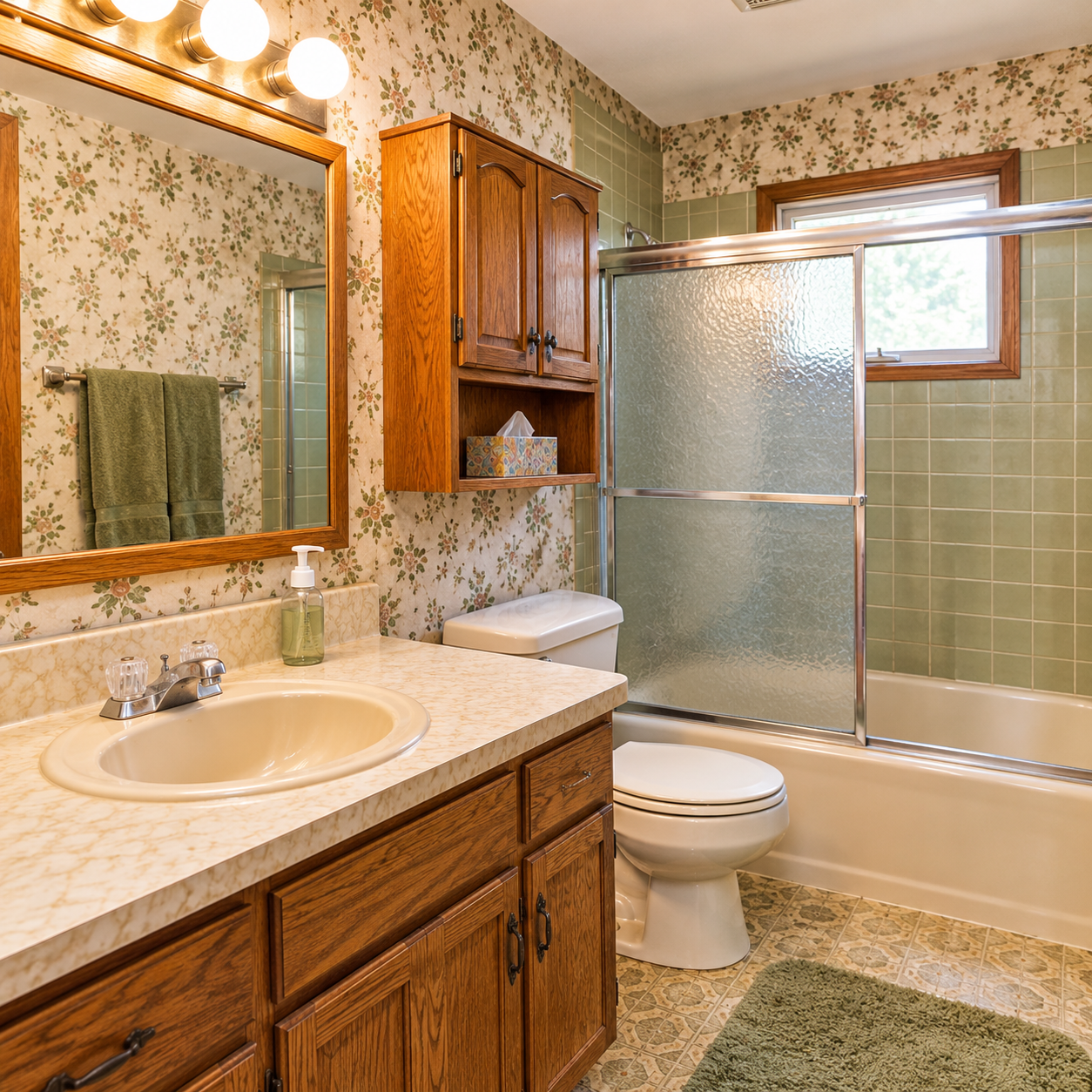
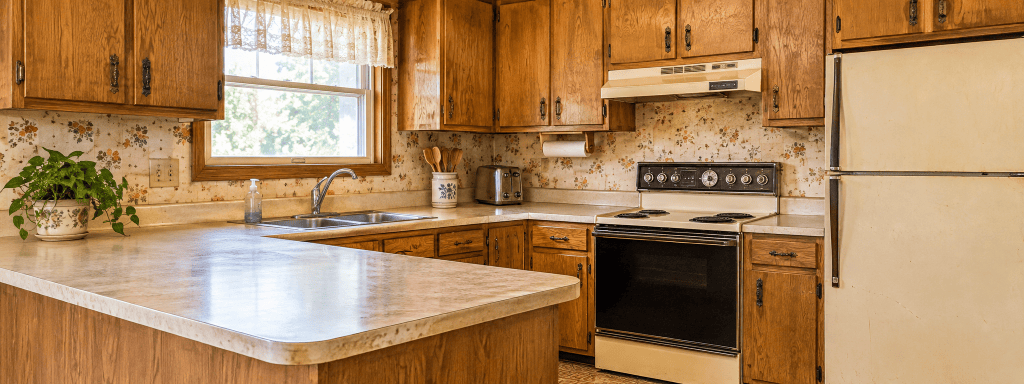
An Outdated Kitchen or Bathroom
Kitchens and bathrooms are among the most influential areas of a home when it comes to buyer appeal. A home with an extremely outdated kitchen or bathroom may be less competitive with similar properties that have been updated.
This does not necessarily mean homeowners need to undertake an expensive remodel before an appraisal. However, dated cabinets, worn countertops, old fixtures, damaged flooring, and poor overall condition can affect how the property compares with other homes in the market.
It’s important to remember that not every renovation produces a dollar-for-dollar increase in value. The quality, appeal, and relevance of improvements to the local market all matter.
Poor Overall Condition
A home doesn’t have to have major structural problems to lose value. General wear and tear throughout the property can also influence an appraiser’s assessment.
Stained carpeting, damaged walls, broken doors, worn flooring, damaged trim, and other visible issues can contribute to an overall impression of poor condition.
When an appraiser compares a property with recently sold homes, condition is an important consideration. Two homes with similar square footage and bedroom counts may have different values if one is substantially better maintained than the other.
Problems With the Roof
The roof is one of the most important components of a home. A roof that is near the end of its useful life or shows signs of significant deterioration can create concerns about the property’s condition and marketability.
Visible missing or damaged shingles, leaks, water stains, or other apparent roofing issues can negatively affect a home’s appeal. In some circumstances, significant roof problems can also create complications for a buyer obtaining financing.
If you know your roof needs attention, addressing the problem before listing or refinancing may be worthwhile. Keep documentation for major repairs or replacement work, including invoices and permits when applicable.
Water Damage or Moisture Problems
Evidence of water intrusion can be a significant concern for both buyers and appraisers. Water stains, musty odors, damaged drywall, mold-like growth, or signs of previous flooding may raise questions about the condition of the property.
The source of the moisture problem is particularly important. A repaired plumbing leak is different from an ongoing basement water issue or recurring roof leak.
If your property has experienced water damage, documentation showing that the problem was professionally addressed can be helpful. Simply covering up visible evidence without correcting the underlying issue can create even greater problems down the road.
Unfinished or Poorly Completed Improvements
Home improvements can add value, but unfinished or poorly completed projects can have the opposite effect.
An unfinished basement, partially remodeled bathroom, incomplete addition, or renovation with exposed wiring and unfinished surfaces may make a property less appealing to buyers. In some cases, unpermitted work can also create additional concerns.
Homeowners should make sure improvements are completed properly and, when required, permitted according to local regulations.
Quality matters as well. A home filled with do-it-yourself projects that are visibly incomplete or poorly executed may not receive the same market reaction as a property with professionally completed improvements.
Poor Curb Appeal and Exterior Neglect
First impressions matter. The exterior of a home is one of the first things buyers see, and its condition can influence how they perceive the property.
Overgrown landscaping, damaged siding, peeling exterior paint, broken fencing, cluttered yards, and neglected driveways can make a property appear less desirable.
Improving curb appeal does not necessarily require an expensive landscaping project. Basic maintenance such as trimming overgrown vegetation, removing debris, maintaining the lawn, cleaning exterior surfaces, and addressing obvious repairs can make a meaningful difference in the property’s overall presentation.
Location-Related Issues
Not everything that affects a home’s value can be fixed by the homeowner. Location is one of the biggest examples.
Factors such as proximity to busy roads, commercial properties, industrial areas, airports, or other sources of noise can influence market value. Other considerations may include neighborhood desirability, access to amenities, surrounding property conditions, and changes occurring in the local market.
Because location is generally outside the homeowner’s control, it is important to understand that an appraisal considers the property in the context of its surrounding market.
An appraiser doesn’t simply determine what a home would be worth in an ideal neighborhood. The analysis reflects the actual market in which the property competes.
Unusual or Overly Personalized Improvements
Homeowners understandably want their properties to reflect their personal tastes. However, highly personalized improvements don’t always translate into higher market value.
For example, an unusual room layout, highly specialized recreational space, extremely bold finishes, or expensive improvements that appeal to a very limited number of buyers may not provide the same value as more broadly desirable features.
This doesn’t mean homeowners should avoid making their homes unique. It simply means that cost does not automatically equal added market value.
An improvement that costs $50,000 does not necessarily increase a home’s market value by $50,000. The appraiser considers how typical buyers in the market are likely to respond to the improvement.
Poor Comparability With Recent Sales
An appraisal relies heavily on market evidence, including recently sold properties that are reasonably comparable to the subject property.
If nearby homes with similar characteristics have recently sold for less, those sales can influence the indicated value of the subject property. Conversely, strong comparable sales can support a higher value.
This is one reason homeowners should be cautious about relying solely on online home-value estimates or asking prices when determining what their property is worth.
The most relevant comparable sales may differ from the subject property in size, condition, location, quality, features, and other characteristics. An appraiser analyzes those differences and considers how the market reacts to them.
How Homeowners Can Protect Their Home’s Value
While homeowners cannot control every factor that influences an appraisal, they can take steps to keep their property competitive.
Start with the basics. Address obvious maintenance issues, keep the property clean and presentable, maintain the landscaping, repair visible damage, and make sure major improvements are completed properly.
If you’ve made significant improvements to the property, keep records of the work. Documentation can help provide the appraiser with information about improvements that may not be immediately obvious during an inspection.
Most importantly, remember that an appraisal is not simply a checklist of individual features. The appraiser considers the property as a whole and analyzes it against the market and comparable properties.
Get an Accurate Home Appraisal in Grand Rapids, Michigan
Whether you’re selling your home, refinancing your mortgage, planning an estate, or simply want to better understand your property’s current market value, a professional appraisal can provide valuable insight.
If you need a Grand Rapids appraiser, Michigan Home Appraisal provides professional residential appraisal services throughout Grand Rapids and surrounding communities. A knowledgeable local appraiser can evaluate your property’s condition, features, location, and relevant market data to develop an independent opinion of value.
Don’t rely solely on online estimates or guesswork when an accurate valuation matters. Contact Michigan Home Appraisal today to schedule a professional home appraisal in Grand Rapids, Michigan.


Leave a Reply
Your email is safe with us.